Mains · By James
Cacio e Pepe Pasta (Pecorino and Pepper)
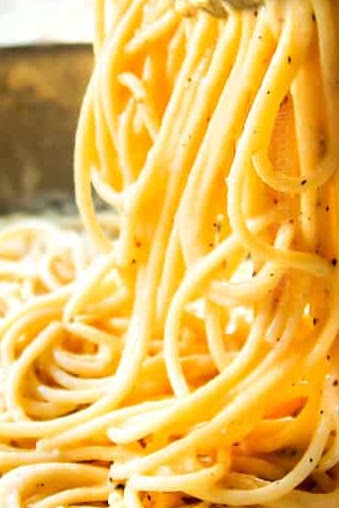
One of the classic Italian pasta dishes from Rome, Cacio e Pepe is simple, but a distinctively dynamic dish. The sheep's milk Romano is salty and rich, the pepper is powerful, and with just these two flavors, each stands out dramatically. This is a case of where less is more. Our passion for this simple dish grew out of a food series with Stanley Tucci, where he navigated the food treasures of Italy, with this simple pasta being one of his stand-outs. A symbol of Rome, where it originated, cacio e pepe uses the salty, aged sheep's milk cheese from the area around Rome, Pecorino Romano. This grassy, earthy aged cheese provides the focusing taste, a taste distinctly different from and more pungent than cow's milk Parmigiana Reggiano. When in southern Italy in 2022 we did our best to try as many Cacio e Pepe pastas as we could while in Rome and Naples. One thing we learned from them was that when the hot dish is delivered to the table, all talk ceases with a reverential and rapid enjoyment of the warm creaminess and vibrant flavors.
Ingredients
- About 450 g artisanal dry spaghetti — extruded through rough die (may substitute bucatini); this is 3 handfuls of dry pasta (each handful about 2.5 cm across)
- 2 tsp salt (for pasta water)
- 6 tbsp butter
- 2 tbsp extra virgin olive oil
- 1½–2 tbsp freshly-cracked (coarsely ground) black pepper
- 3 cups finely and freshly grated Pecorino Romano cheese
Method
- 1
Add 12 cups water and salt to a stockpot wide enough to fit spaghetti. The water will be shallow because we want it to be very starchy (to thicken the sauce). Cover and bring to a boil. Uncover and stir in salt then add spaghetti.
- 2
Cook pasta until barely al dente (a couple of minutes less than package directions for an al dente). Stir often so the spaghetti doesn't stick in the shallow water. Complete the next steps while pasta is cooking.
- 3
While the pasta is cooking, melt butter with olive oil in a large skillet over medium heat. Add ground pepper, then simmer for two minutes. Set aside until pasta is done cooking.
- 4
Grate your cheese so it is all ready to add to the sauce. Save a bit of the grated Romano for a garnish on top of each serving.
- 5
Once pasta is barely al dente, use tongs to remove it from the water and place pasta in a bowl. You will use the reserved pasta water so don't discard.
- 6
Slowly whisk 1½ cups reserved pasta water into the butter/olive-oil mix, with the heat off. Let stand 2 minutes to cool a bit.
- 7
Gradually whisk grated cheese into the butter/olive-oil water a little at a time until combined. Then, turn heat on to LOW and whisk constantly until cheese is melted and smooth (this may take 3–4 minutes).
- 8
Now, add half of the cooked pasta to the skillet and stir to coat. Add remaining pasta and toss until evenly combined, adding additional pasta water if needed to create a creamy pasta.
- 9
Taste, and season with salt and extra pepper if desired. Serve immediately in pasta bowls with a sprinkling of the shaved Romano.
A note from James
Drink/wine pairing: a Sangiovese (Chianti) or a Pinot Noir. A rosé or sparkling wine will also be excellent. A chardonnay would be great too.
— the end —